
By Gemma Fraser
Head of content
A man gallops around the room pretending to be on a horse, while another gazes deeply into the bright eyes of a newborn baby lying flat upon his knees.
A third sits in a tight embrace with his partner while overseeing an enthusiastic game of football. At the opposite end of the room, a fourth man plays quietly with two beaming children.
The four men all have two key things in common: they are all dads, and they are all prisoners in HMP Edinburgh.
Today, the four dads are taking part in a ‘play learn connect’ (PLC) session with their children in the prison’s dedicated family space.
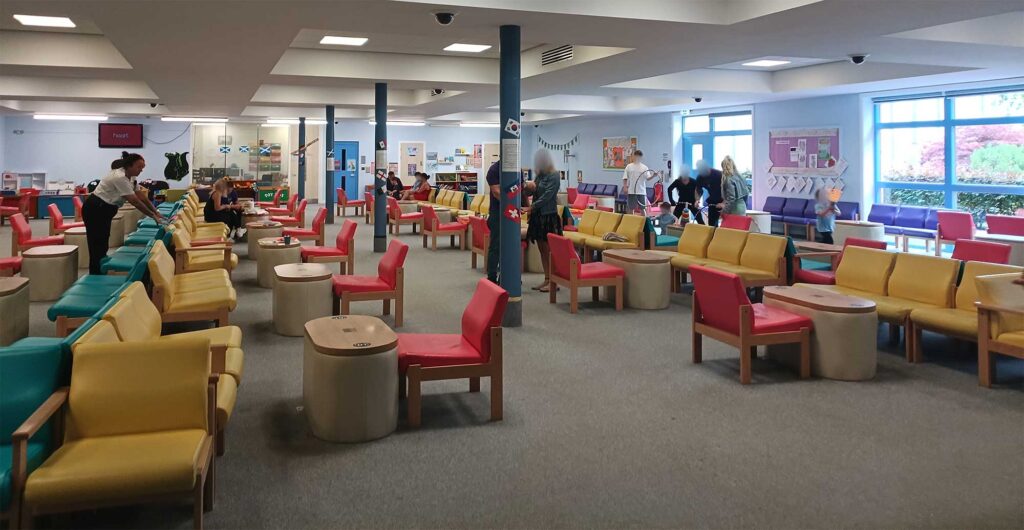
Surrounded by toys, books, Lego, games consoles and sensory areas, these sessions are designed to give children the chance to interact with their dads in a softer, friendlier, more relaxed environment than the sterile confines of a traditional prison visit room.
Family contact officer Brenan Dickinson is overseeing today’s hour-long session in the bright, spacious play area.
“The normal visits aren’t great for the kids,” he explains. “You need to stay seated all the time.
“This brings everyone a bit of normality. The dads can run around the room and play with the kids like normal, as opposed to being stuck in a chair.”
He has formed a great relationship with the children who come weekly, or more, to see their dads.
“There’s one of the kids who’s six now and I’ve known him since he was two or three. I’m watching them grow up,” he says.
The Scottish Prison Service offers child-specific visits throughout its estate, which are provided in addition to statutory visiting rights.
The offerings vary from prison to prison, but in Edinburgh the daytime play sessions are generally small groups of up to six families, with evening visits on Tuesdays and Thursdays accommodating double that to ensure children can visit after school.
The Saughton jail receives 2,600 adult visitors a month, as well as 460 children through the standard visits. An additional 100 children attend the PLC sessions.
Before entering the main prison building, families go into the visitor centre and are met by staff from Barnardo’s Scotland, which runs the facility, then proceed through security when their visiting time arrives.
There are toys and games throughout the centre, as well as a cosy book corner, a sensory room and a small playpark outside.
For the mums, grandparents, and other family members bringing children into prison, it’s a safe space to relax, compose themselves, grab a cup of tea, and chat to other people who understand the myriad of feelings that go through their minds before visits.
“A lot of times there’s people coming in and socialising because it’s a non-judgmental space: everybody is here to visit someone who’s in prison”
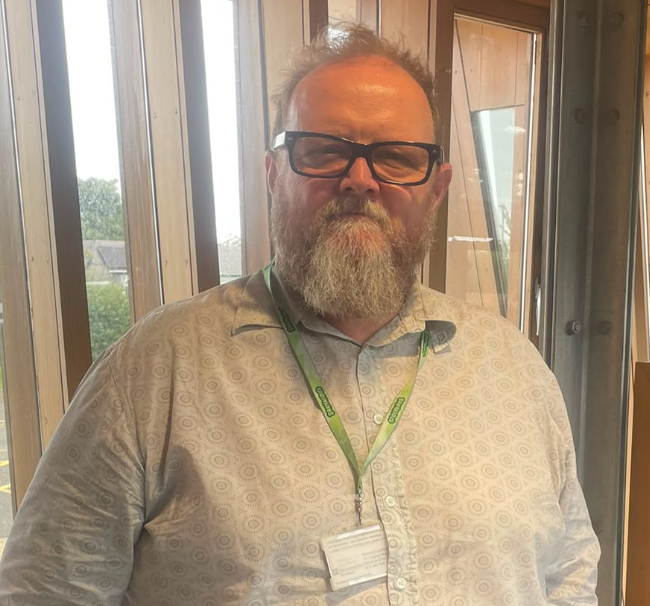
John Allan, Barnardo’s Scotland
“One of our key remits is to facilitate people visiting, whether that’s about practical barriers to it and helping people access funding that’s available to support travel, or emotional support or accessing other services,” explains John Allan, children’s services manager at Barnardo’s Scotland.
“We try and make this place as much as possible like a traditional community centre where people can come and just be, but there’s also specific support on offer, some by us, sometimes other organisations, but primarily it’s a place where people can come and prepare and unwind afterwards.
“Some people want to be here a long time before visits to sit and be calm.
“A lot of times there’s people coming in and socialising because it’s a non-judgmental space: everybody is here to visit someone who’s in prison.
“We see all emotions, particularly early on when people are new visitors. It’s a really bewildering process visiting a prison. There’s a lot you have to do and there’s no prep time to learn it before you get here.”
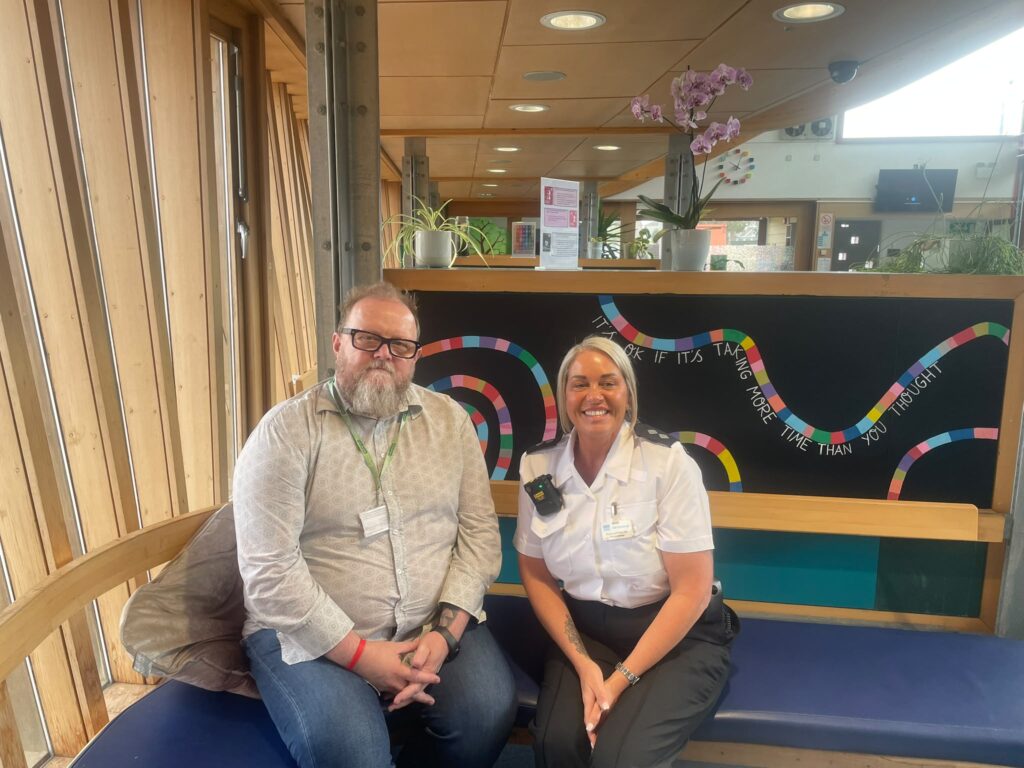
Nicola Leatherbarrow, one of the visits managers at HMP Edinburgh, says the centre plays a key role for both prisoners and their families.
“This will be the first time they’ve seen their loved one since the court and it can be very emotional. We listen to the families and see what they need to make it better,” she says.
“It’s very daunting for some people, but they come in and meet these guys [the Barnardo’s staff] and it helps us massively.
“They can tell us if there are any issues with the kids, if they need extra support or need to go in a bit earlier if, for example, they’re autistic or overwhelmed.”
Mandy (not her real name) is no stranger to prison visiting, but her visits have recently become slightly more challenging with the addition of her grandson to the family.
She has brought the newborn baby in to visit his dad – her son – on at least a dozen occasions since his birth so the two can bond.
The baby’s presence brings a communal feeling of joy to everyone in the visitor centre, who immediately flock to him.
“He’s changed so much since I last saw him two weeks ago,” says Nicola, grinning at the bright-eyed baby.
Mandy agreed to speak to 1919 about her experiences of bringing her grandson to Saughton for the PLC sessions on condition of anonymity.
“It’s a boost to the bonding,” she says, while gently winding the baby following his feed as she awaits her allotted visiting time with three other families.
“The bonding visits are just a chance for dads to let their guard down and be more authentic with their kids, in a way that they can’t really do if there are other prisoners around.
“They don’t want to show their vulnerable side to some of the other prisoners because it’s a completely different world in there, and they can’t show how much they care about anything.
“His dad said that although he’s been in and out of jail for a while, this is the time that it feels like it’s truly punishment because he can’t be there”
Mandy, mum of prisoner
“If you’re having to show a tough front to everyone then that’s really hard on their kids.”
Although her grandson is too young to play with his dad yet, Mandy has witnessed the other children getting stuck into activities with their fathers during previous visits.
“For babies it’s lovely, but it’s probably more important for toddlers and wee ones,” she says. “Even for the dads to have a bit of rough-and-tumble or tag, those kinds of normal parental activities.”
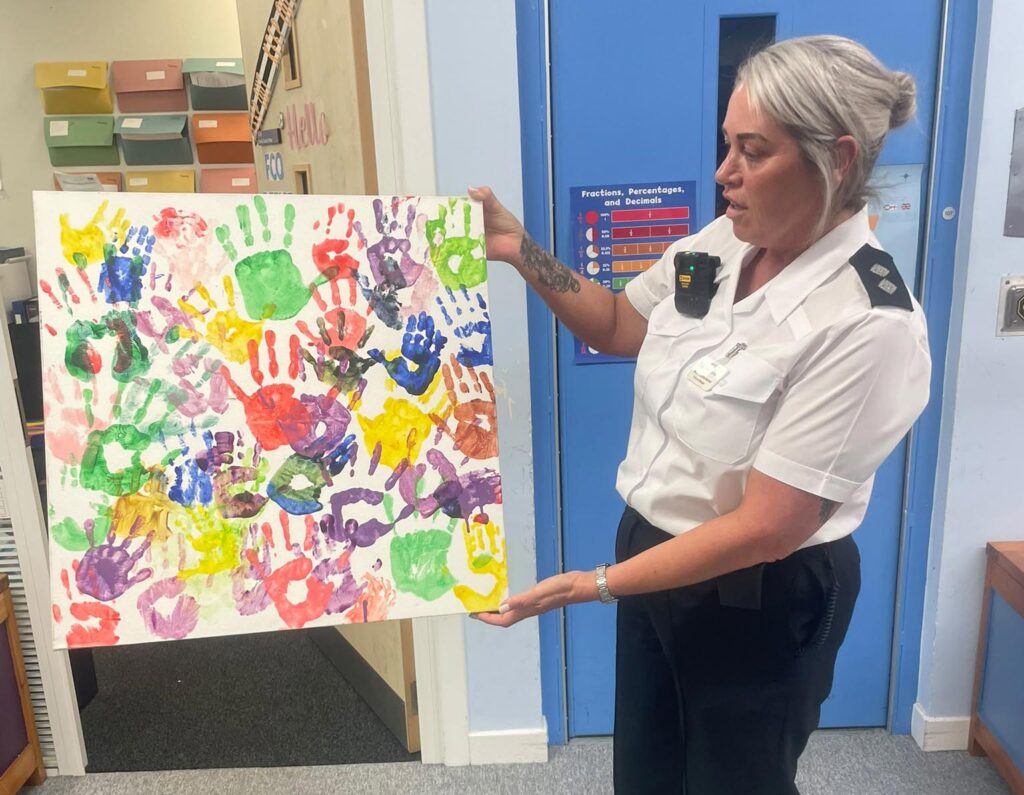
She adds: “When [the baby] was a couple of weeks old, they did the footprint and handprints.
“They got a photo taken at the bonding visit, because obviously there’s no phones, so there’s no opportunity to get a photo of your baby.
“It’s quite funny actually seeing the dads. There’s a dad who has got a wee lassie and she’s always trying to dress up her daddy in the dressing-up corner.”
The visits undoubtedly bring joy and hope to both families and prisoners alike, but they also bring with them the reality of what is being missed, providing only a short glimpse of normality which is snatched away at the end of the hour.
Mandy fights back tears as she describes her son’s own wake-up call.
“His dad said that although he’s been in and out of jail for a while, this is the time that it feels like it’s truly punishment, because he can’t be there. They change so quickly. Every week there are monumental differences.”
The prison staff are only too aware of the harsh realities of the end of visits, and they try their best where possible to make it easier, offering children the chance to leave the visits before their dad is taken away, so the goodbye is less severe.
“Sometimes we’ll say it’s dad’s work. We go along with that if that’s what they’ve been told”
Nicola Leatherbarrow, Scottish Prison Service
They also play along with whatever narrative the family on the outside have told children about their dad and where they are.
“Sometimes we’ll say it’s dad’s work,” says Nicola. “We go along with that if that’s what they’ve been told. Whatever works for them.”
Scottish Government figures estimate that between 20,000 and 27,000 children in Scotland have a parent in prison each year – more than are affected annually by divorce.
A government short-life group exploring the impact on children with a parent in prison recommended, among other things, that the right to family life should be supported by “consistent opportunities” for children to have relationships with them if it is in the child’s best interests.
Staff like Nicola at HMP Edinburgh are clearly passionate about trying to put the interests of the children who come through its doors first.
She is already planning ways she can introduce new shared experiences between the children and their dads, such as an outdoor area to learn how to ride a bike, and creating homework packs for them to do together.
“I’m trying to do things that we take for granted,” she says.
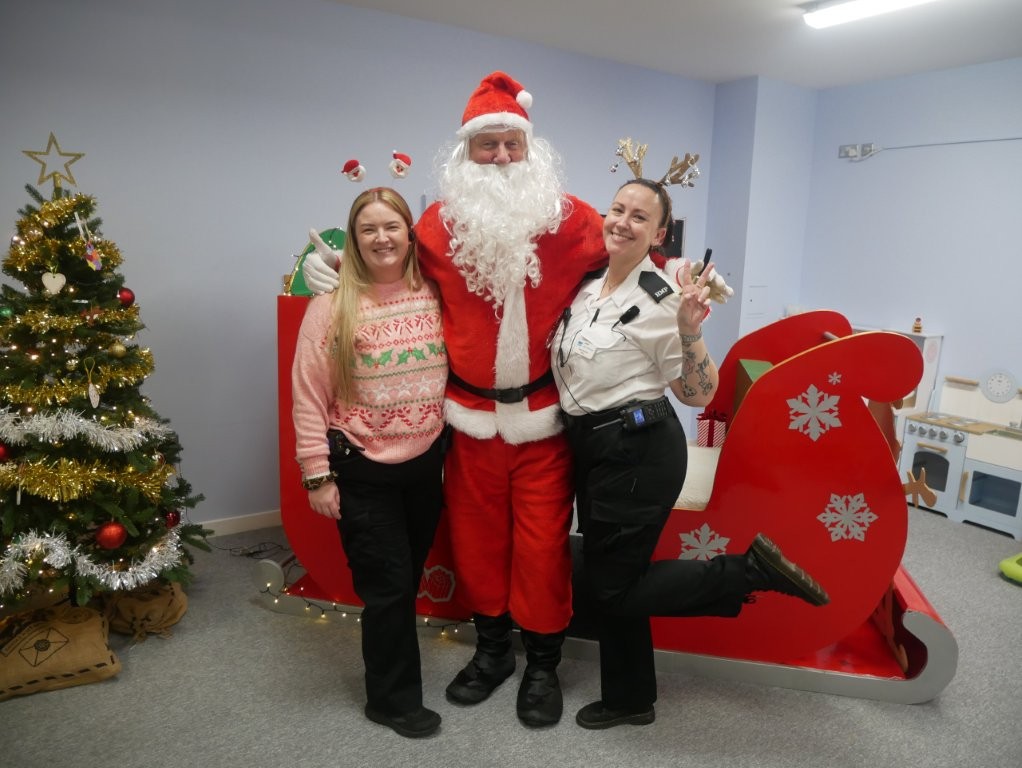
HMP Edinburgh also hosts an annual family week (main picture) where people can enjoy a range of fun activities, as well as getting advice and support, and meeting the prison staff and agencies who work with their loved ones on the inside.
It also regularly puts on special events for children, including sports days, silent discos and movie nights. The Grinch, Nanny McPhee and Frozen make up part of the DVD collection.
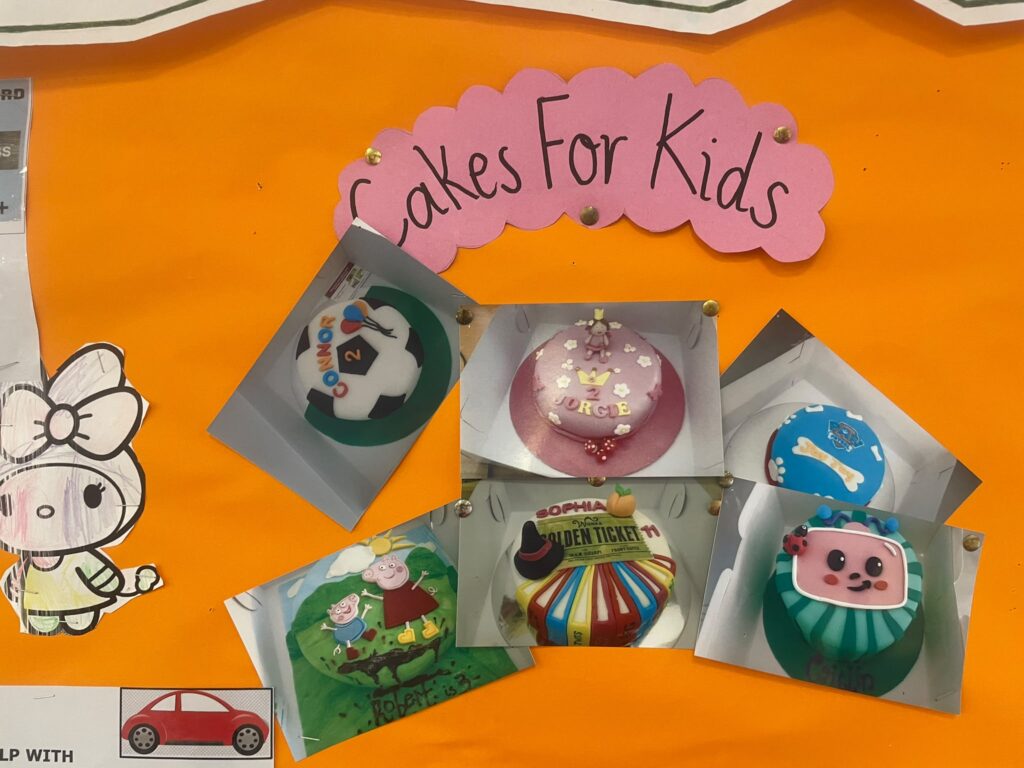
When one of the visiting children has a birthday coming up, a cake will be baked for them and taken into the PLC session so they can have a mini birthday party with their dad.
And at Christmas, Santa visits the prison with presents for them which they can open in front of their dad, who won’t be at home with them on the day.
“Being able to do something normal with dad, watch a movie or play football, or roll around the floor, or get gifts from Santa – all the things kids would normally experience with their parents – is what this is all about,” says John.
“We get an opportunity to know them, they get an opportunity to know us, we get an opportunity to understand people and understand what they need from us.”
After their time spent in the visitor centre preparing for their journey into the main prison via the security desks, the children seem unfazed by the bag scanners and searches, the locked doors, and the uniforms.
At this point they only have two things on their minds: the first cuddles from dad, and the choice of snacks from the five well-stocked vending machines.