
By 1919 staff
Scotland’s politicians will be presented with a blueprint to rebuild front line services, reconnect policing with communities, and restore a model of public safety “rooted in fairness, transparency and credibility”.
As the starting gun is fired on this year’s Holyrood election campaign, the Scottish Police Federation (SPF) has unveiled its manifesto ahead of the national vote in May.
It sets out six key reforms the federation wants the next Scottish Government to adopt.
Current polling puts the SNP well ahead of its rivals as the new year gets underway, with John Swinney the favourite to remain as first minister – but short of a parliamentary majority.
Scottish Labour and Reform UK are vying for second place in the polls, although Labour leader Anas Sarwar is widely considered the only viable alternative candidate to Swinney.
The SPF’s manifesto, available on the organisation’s website, will be presented to politicians at a special conference in Edinburgh in February.
Reinforce local decision-making with three new regional DCCs.
Strengthen community safety by ending non-attendance policies.
Make officer safety non-negotiable, equipping every officer with a Taser.
Reset policing and politics with pay and conditions reflecting the nature of the job.
Prioritise officers’ psychological wellbeing.
The blueprint calls for “proper funding” and local accountability to be restored amid a political row over the budget for Scottish policing. While the SNP government points to record investment, front line numbers have fallen and there is a major backlog of estate repairs.
The SPF wants annual investment “at least in line with inflation” as well as “direct, statutory involvement in funding core policing” for councils.
Nearly 13 years since the creation of the single force, which critics believe has eroded local policing, the manifesto calls for the creation of three area deputy chief constables for the north, east and west – based locally and appointed with council approval.
One of the biggest reforms the organisation wants is an end to ‘non-attendance’ policies, which is when incidents are resolved without an officer physically attending the scene.
The manifesto states: “‘Phone-first’ responses tell communities their concerns don’t matter. Non-attendance encourages escalation and entrenches criminality.
“Attendance is not merely symbolic; it is preventative. The act of showing up – to reassure, to gather intelligence, to solve problems early – saves time and reduces harm downstream.
“Reversing non-attendance policies should be resourced with staffing and supported by triage that prioritises vulnerability and repeat harm.”
The manifesto also wants officer safety to be “non-negotiable” – equipping every officer with a Taser, reducing single-crewing, and ensuring consistent sentencing when cops are assaulted.
It calls for a “reset” in the relationship between policing and politics, with pay and conditions reflecting the “demands placed on officers to protect recruitment, retention, and capability”.
And in recognition of the challenging job of being a police officer, the SPF wants ring-fenced funding for psychological assistance and the “embedding of psychological safety across Police Scotland”.
“Informed by the voices of more than 16,500 officers and designed to ensure that Scotland’s communities receive the safety, presence and protection they deserve”
SPF manifesto
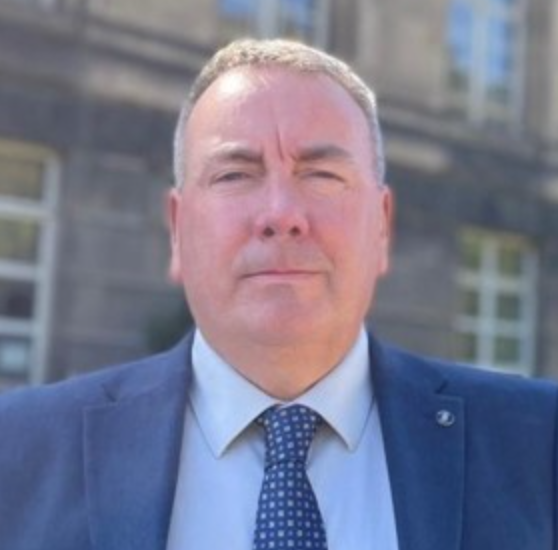
The SPF manifesto argues that the six reforms are a “credible, practical roadmap for restoring policing in Scotland”.
It concludes: “Its proposals are rooted in operational experience, informed by the voices of more than 16,500 officers, and designed to ensure that Scotland’s communities receive the safety, presence and protection they deserve – delivered by officers who are equipped, valued, and supported to serve.”
In the first week of the new year, Scotland’s main political leaders set out their stalls for the coming campaign.
Swinney made no mention of crime or policing in his speech to SNP supporters, which was instead dominated by his argument in favour of Scottish independence.
In his separate speech, Labour’s Anas Sarwar said: “I stand alongside communities who feel unsafe, where crime is rampant and no police officer is in sight.
“I stand alongside the thousands of victims of crime who feel the system is designed to hurt them, not support them.”
And Conservative leader Russell Findlay called for lower taxes, which he said would deliver economic growth and “more money for more police officers”.
“We are investing £4.2 billion across the justice system in 2025/26 to keep communities safe, including a record £1.64 billion in policing”
Justice Secretary Angela Constance
Scottish Conservative justice spokesperson Liam Kerr said: “Scotland’s justice system has been failed for nearly two decades on the SNP’s watch and Scots deserve better.
“Chronic underfunding and their soft-touch approach has left all aspects of the justice system feeling overwhelmed and the public feeling their safety is continually at risk.
“Ahead of the budget, our priority is urging the SNP to rebuild the justice system into one that is fit for purpose.
“We have outlined our bold plans to put victims at the heart of it, support frontline policing and ensure our justice system can meet demand.”
