
By Tom Martin
More than half a million working days have been lost to mental ill health in Police Scotland over the past six years, new figures show.
In total, 568,911 officer and staff days have been lost to psychological disorders, including anxiety, depression and stress.
The figures add to mounting concern about the strain on Police Scotland’s workforce, as officer numbers have fallen and demand has continued to rise.
The Scottish Police Federation (SPF) said the organisation is “dealing with the consequences” of past underinvestment in officer wellbeing, and criticised trauma support.
Chief Constable Jo Farrell said the force is expanding support measures despite budget pressures, while Justice Secretary Angela Constance said health and welfare are a “priority” for the force.
Latest Scottish Government figures show that, as of the end of December, there were 16,416 full-time equivalent (FTE) police officers, a decline of more than 1,000 since Police Scotland was formed in 2013.
The Scottish Liberal Democrats, who obtained the figures on mental health absences through a freedom of information request, urged ministers to do more to support officers and staff.
Liam McArthur, the party’s justice spokesperson, told 1919: “This highlights the extent to which many police officers and staff feel under intense pressure and dangerously overstretched.
“If ministers keep downgrading support for areas like mental health, even more officers and staff may choose to vote with their feet.
“Community safety begins with looking after the people who hold Scottish policing together.”
Days taken off by police officers due to mental ill health rose from 43,413 in 2019/20 to 79,147 in 2024/25, an increase of 82 per cent. Staff days lost rose by 41 per cent over the same period, from 20,384 to 28,731.
Between April and October last year, a total of 72,835 officer and staff days have been lost to mental health absences.
Holyrood’s criminal justice committee is currently examining the issue of policing and mental health.
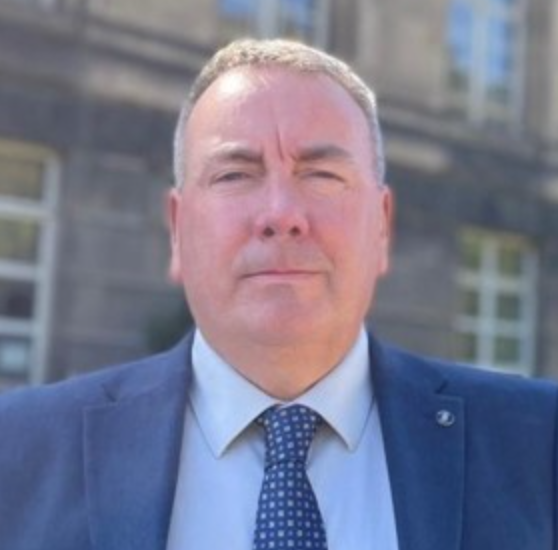
In written evidence to a recent meeting, the SPF warned that sustained pressure is having an “immeasurable negative impact” on officers’ health, and that the service is nearing “the end of the road” in what it can continue to absorb.
Officers increasingly feel they are operating as a “service of last resort”, with around 70 per cent of operational time taken up by matters they do not believe should fall to policing.
Appearing before the committee, SPF chair David Threadgold said: “Police Scotland has acknowledged that its focus on investment in training and in keeping people well has not been where it needed to be, and we are now dealing with the consequences of that.”
Citing a recent SPF survey showing that only three in 10 officers felt they had received adequate training to cope with trauma, he added: “There is a huge amount of work to do.”
He warned that officers are being asked to meet rising demand with reduced resources, and can expect to encounter between 400 and 600 traumatic incidents over a career, compared with three or four in a lifetime for most members of the public.
Threadgold said: “We need a different strategic direction, in my opinion, and that is the opinion of the cops who I represent.”
Police Scotland’s temporary director of human resources, Nicky Page, told MSPs: “We have a lot of work to do.”
She said resource pressures are a significant factor in delivering additional wellbeing support.
Assistant Chief Constable Catriona Paton said the job places officers “at moments of crisis and trauma daily”, and that the force is working to educate and support staff in managing trauma exposure.
Speaking at a recent meeting of the Scottish Police Authority, Farrell acknowledged “the pressure on our workforce” and said that reducing absence and improving workforce planning are areas that “must improve”.
The Chief Constable also said that the service is expanding support measures, including its employee assistance programme and trauma risk management provision.
Justice Secretary Angela Constance said: “Scotland’s police officers and staff do a challenging job, often in very distressing circumstances, and I welcome the Chief Constable’s commitment to ensuring they receive the right physical and mental wellbeing support.
“Health and welfare remain a priority for Police Scotland, with support available through their employee assistance and ‘your wellbeing matters’ programme.
“Our 2026/27 budget provides more than £1.7 billion for policing, building on record investment that enabled Police Scotland to recruit more officers in the last financial year than at any point since 2013. Scotland continues to have more officers per capita than England and Wales.”